Marriage is a sacred bond and a source of immense peace and love in Islam. It is a contract that brings two souls together to find tranquility in one another, as mentioned in the Holy Quran. However, like any journey, the path of marriage can have its challenges. Misunderstandings, external pressures, or personal shortcomings can create distance between husband and wife. When these difficulties arise, turning to Allah (SWT) through a wazifa for happy married life is a powerful way to seek His divine help, restore harmony, and strengthen the marital bond. This article provides a comprehensive guide on performing an authentic and effective wazifa, rooted in the Quran and Sunnah, to bring lasting happiness to your marriage.
Before starting any spiritual practice, it is essential to understand that a wazifa is a form of supplication and remembrance of Allah. It is not magic but a means to seek His favor and intervention. For complementary guidance on healing general relationships, you may find our previous article on Dua for Relationship Healing Islam for Husband and Wife very helpful. Now, let’s explore the specific wazifa designed to cultivate a happy and fulfilling married life.
The Most Powerful Wazifa for Happy Married Life: Ya Wadoodo and Surah Ar-Rum
This wazifa combines two powerful elements from Islamic tradition: a beautiful name of Allah (SWT) and a profound verse from the Quran. It is designed to rekindle love (Mawaddah) and mercy (Rahmah), which are the foundational pillars of a happy marriage as described in Surah Ar-Rum.
The Divine Name: Al-Wadood (The Loving One)
Allah’s name “Al-Wadood” (الودود) signifies the One who loves His righteous servants and is the source of all love and affection. By reciting this name, we ask Allah to fill our hearts and the heart of our spouse with genuine, enduring love. It is the most direct way to seek divine love in any relationship.
The Quranic Verse: Surah Ar-Rum, 30:21 (The Verse of Love and Mercy)
This verse is the blueprint for a happy Islamic marriage. Reciting it as part of your wazifa brings its powerful meaning into your life.
وَمِنْ آيَاتِهِ أَنْ خَلَقَ لَكُم مِّنْ أَنفُسِكُمْ أَزْوَاجًا لِّتَسْكُنُوا إِلَيْهَا وَجَعَلَ بَيْنَكُم مَّوَدَّةً وَرَحْمَةً ۚ إِنَّ فِي ذَٰلِكَ لَآيَاتٍ لِّقَوْمٍ يَتَفَكَّرُونَ
Translation: “And of His signs is that He created for you from yourselves mates that you may find tranquility in them, and He placed between you affection and mercy. Indeed in that are signs for a people who give thought.”
Context and Significance: Imam Ibn Kathir explains in his Tafsir that “affection” (Mawaddah) refers to love, and “mercy” (Rahmah) refers to compassion. Mawaddah is the passionate love of a young couple, while Rahmah is the deep, enduring compassion that sustains a marriage through all its phases. This wazifa for happy married life seeks to establish both elements permanently in your relationship.
Complete Method for Performing the Wazifa for Happy Married Life
Follow these steps with sincerity, consistency, and a pure heart for 40 days to see positive changes, by the will of Allah.
- Purify Your Intention (Niyyah): Begin with the clear intention that you are performing this wazifa for happy married life solely to please Allah and to bring peace, love, and barakah (blessings) into your marriage. Your intention must be free from any selfish motives or desire to control your spouse.
- Perform Ablution (Wudu): Ensure you are in a state of physical and spiritual purity. Perform fresh wudu before each session of this wazifa.
- Choose the Best Time: The most potent time for this wazifa is during the last third of the night (Tahajjud time), as this is when Allah descends to the lowest heaven and asks, “Who is asking Me, so that I may give him?” It is also effective after the Isha or Fajr prayers.
- Find a Quiet Space: Sit in a clean, quiet place facing the Qibla. This minimizes distractions and helps you focus completely on your recitation.
- Begin with Durood Sharif: Start by reciting Durood Ibrahim (the blessings sent upon the Prophet Muhammad صلی اللہ علیہ وسلم) 11 times. This prepares your supplication for acceptance.
- Recite the Core of the Wazifa for Happy Married Life:
- Recite “Ya Wadoodo” (يَا وَدُودُ) 500 times. As you recite, reflect on Allah’s attribute as the source of all love, and ask Him to fill your heart and your spouse’s heart with love for each other.
- Recite Surah Ar-Rum, verse 21, 41 times. Read it from the Quran or from memory with its translation in mind, asking Allah to grant you the sakinah (tranquility), mawaddah, and rahmah mentioned in the verse.
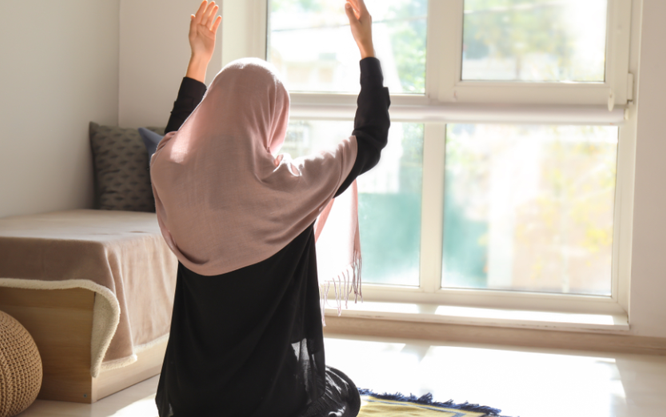
- Make Sincere Dua (Supplication): After the recitation, raise your hands and make a heartfelt dua in your own words. Ask Allah specifically for a happy married life. Mention your spouse by name (if you wish), and ask Allah to:
- Remove all misunderstandings and negative feelings from both hearts.
- Increase love, respect, and mercy between you.
- Bless your marriage with patience and understanding.
- Protect your relationship from the evil eye, jealousy, and the whispers of Shaytan.
- Make your marriage a means of drawing closer to Him.
- Conclude with Durood Sharif: Seal your wazifa by reciting Durood Sharif another 11 times.
- Consistency is Key: Perform this wazifa for happy married life daily for 40 consecutive days. Do not miss a single day. Trust in Allah’s wisdom and timing. The results may be gradual, but with unwavering faith and consistency, the barakah of this practice will manifest in your married life.
Hadith References Supporting a Happy Married Life
The teachings of the Prophet Muhammad صلی اللہ علیہ وسلم provide the ultimate guidance for building and maintaining a happy marriage. These hadiths complement the spiritual work of the wazifa and provide practical steps to take.
The Prophet صلی اللہ علیہ وسلم said: “The believers who show the most perfect faith are those who have the best character, and the best of you are those who are best to their wives.” (Sunan al-Tirmidhi)
Relevance: This hadith directly links good character and kind treatment of one’s spouse with the perfection of faith. Performing a wazifa for happy married life should be accompanied by conscious efforts to improve your own character and behavior toward your spouse.
It is narrated that the Prophet صلی اللہ علیہ وسلم said: “A believing man should not hate a believing woman; if he dislikes one of her characteristics, he will be pleased with another.” (Sahih Muslim)
Relevance: This hadith teaches us to focus on the positive qualities in our spouse and be patient with their shortcomings. This attitude of gratitude and overlooking faults is a key ingredient for a happy marriage.
The Prophet صلی اللہ علیہ وسلم also said: “The whole world is a provision, and the best object of benefit of the world is the pious wife.” (Sahih Muslim)
Relevance: This highlights the immense value of a good spouse. The wazifa for happy married life is a means to seek this ultimate benefit from Allah—a spouse who is a source of peace, comfort, and support in both worldly and religious matters.
Aisha (RA) narrated that the Prophet صلی اللہ علیہ وسلم said: “The most complete believer in faith is the one with the best character, and the best of you are those who are best to their families.” (Sunan al-Tirmidhi)
Relevance: This hadith encourages us to strive for excellence in how we treat our family members. The wazifa should inspire us to become better partners, increasing our kindness, patience, and generosity at home.
50 Profound Benefits of Performing Wazifa for Happy Married Life
Regularly performing this wazifa brings numerous spiritual, emotional, and practical benefits that transform your marriage into a source of lasting happiness.
- It strengthens the bond of love (Mawaddah) between husband and wife.
- It cultivates deep compassion and mercy (Rahmah) in the relationship.
- It brings a sense of peace and tranquility (Sakinah) to the home environment.
- It helps resolve conflicts and misunderstandings with wisdom and patience.
- It increases mutual respect and appreciation for one another.
- It protects the marriage from the negative influence of jealousy and the evil eye.
- It softens the hearts of both spouses, making them more forgiving.
- It attracts barakah (blessings) into the marital life, including sustenance and children.
- It improves communication, making conversations more meaningful and kind.
- It helps in overcoming personal ego and pride that can damage the relationship.
- It increases the desire to please one another for the sake of Allah.
- It protects from the whispers of Shaytan who seeks to create discord between couples.
- It brings spouses closer to Allah as they unite in faith and worship.
- It fosters patience and tolerance during times of difficulty.
- It creates an atmosphere of gratitude where spouses appreciate each other’s efforts.
- It helps in forgiving past mistakes and moving forward without resentment.
- It increases emotional intimacy and understanding between spouses.
- It provides spiritual strength to face external pressures from family or society.
- It makes the marriage a source of comfort and support in times of personal stress.
- It aligns the couple’s goals and aspirations, creating unity of purpose.
- It helps in raising righteous children in a loving and stable home.
- It increases the sweetness of iman (faith) experienced within the marriage.
- It removes feelings of loneliness or isolation within the relationship.
- It transforms mundane daily interactions into acts of worship when done with good intention.
- It protects from the spiritual effects of black magic aimed at separating couples.
- It attracts the help and support of angels who witness the love and harmony.
- It increases physical affection and intimacy in a halal and blessed manner.
- It helps in managing financial matters together with mutual understanding.
- It develops a shared sense of responsibility for the family’s well-being.
- It brings joy and happiness to the entire family, including children.
- It provides a strong foundation for dealing with the trials of life together.
- It encourages spouses to be each other’s best friends and confidants.
- It helps in overcoming personal insecurities that can affect the relationship.
- It increases the ability to overlook small faults and focus on the bigger picture.
- It ensures that love remains fresh and does not fade over time.
- It protects the marriage from the boredom and routine that can lead to distance.
- It creates shared spiritual memories, such as praying together or making dua together.
- It helps in maintaining respect even during disagreements.
- It encourages spouses to support each other’s personal and religious growth.
- It brings acceptance from in-laws and extended family.
- It makes the home a place of dhikr (remembrance of Allah) and positive energy.
- It helps in healing from emotional wounds caused by past conflicts.
- It increases the likelihood of having a marriage that is a means of entering Jannah together.
- It develops a sense of security and stability within the relationship.
- It helps in balancing love for one’s spouse with the proper love for Allah.
- It attracts righteous friends and community who support healthy marriages.
- It provides a spiritual shield during vulnerable times in the marriage.
- It increases the desire to express love and appreciation daily.
- It helps in rebuilding trust if it has been damaged.
- It ensures that the marriage becomes a beautiful testimony to Allah’s power to unite hearts in love.
Important Etiquettes for Acceptance
To ensure your wazifa for happy married life is accepted, observe these etiquettes:
- Sincerity (Ikhlas): Ensure your intention is purely for Allah’s pleasure and the betterment of your marriage.
- Halal Sustenance: Ensure your food and income are from halal sources, as this greatly impacts the acceptance of duas.
- Patience (Sabr): Be patient and do not expect immediate results. Trust that Allah answers in the best way and at the best time.
- Avoiding Sin: Strive to avoid all sins, especially those related to the tongue like backbiting and lying, as they can block duas.
- Good Character: Complement your spiritual efforts with good character. Be kind, helpful, and understanding toward your spouse throughout the process.
- Complete Trust in Allah (Tawakkul): Have firm belief that only Allah can change hearts and heal relationships. Your role is to ask sincerely and consistently.