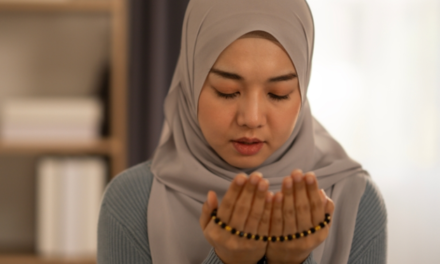
There is a moment in life when the body reminds us of its fragility. Perhaps you are reading this from a place of discomfort, or maybe your heart is heavy watching a loved one struggle with illness. The body aches, the spirit feels weak, and time seems to move slowly as you wait for relief. In these moments, it is natural to feel vulnerable, even afraid. But I want you to know that you are holding a thread of hope. The Quran speaks directly to the one who is ill, and the prophets left behind supplications that carry the very mercy of Allah. Today, we will explore a profound dua for healing from illness and quick recovery—a prayer that turned unbearable suffering into a moment of divine grace.
When Pain Becomes a Teacher
Sickness is not just a physical experience. It touches the soul, tests patience, and can leave us feeling alone in our struggle. Yet, in Islam, illness is also a time of drawing closer to our Creator. The Prophet Muhammad, peace and blessings be upon him, said that no believer is afflicted with fatigue, illness, or worry except that Allah removes some of their sins. But beyond that, we are given tools—words from the Quran that carry the power to restore. One of the most beautiful examples is the supplication of Prophet Ayyub (Job), peace be upon him, a man whose patience and suffering became a lesson for all of humanity.
“Anni massaniyad-durru wa anta arhamur-rahimin.”
(Indeed, adversity has touched me, and You are the Most Merciful of the merciful.)
The Story Behind the Dua: A Lesson in Unshakeable Trust
This profound invocation is from Surah Al-Anbiya (Chapter 21), verse 83. Prophet Ayyub (peace be upon him) was a man blessed with wealth, children, and health. Then, as a test of his faith, he lost everything. He was afflicted with a severe illness that lasted for years, causing him to be shunned by his community. Only his wife remained by his side. Despite the prolonged suffering, he never once complained about Allah’s decree. Instead, in his moment of deepest need, he turned to his Lord with this supplication. He did not demand healing; he simply presented his state and acknowledged Allah’s absolute mercy.
The response was immediate. Allah says: “So We responded to him and removed what afflicted him of adversity. And We gave him his family and the like thereof with them as mercy from Us and a reminder for the worshippers” (Surah Al-Anbiya, 21:84). Allah did not just heal his body; He restored his life in abundance. This verse is a timeless promise. When you recite this dua, you are connecting yourself to a prophet who was tested beyond imagination and was answered in the most complete way.
While this specific dua is from the Quran, its power is also affirmed by prophetic tradition. The Prophet Muhammad, peace and blessings be upon him, taught many duas for healing, and he encouraged the one who is ill to turn to Allah with sincerity. The story of Ayyub (peace be upon him) is mentioned in the Quran as an example of patience and the ultimate mercy of Allah. This makes this supplication one of the most potent for anyone seeking a dua for healing from illness and quick recovery.
The Gentle Wazifa for Restoring Health
This practice is about surrendering your pain to the One who created healing. It is simple, yet deeply transformative. Approach it with a heart that trusts, even if your body feels weak. You do not need to be perfectly well to call upon Allah—He listens most to those who need Him most.
- Timing: Any time is a time for healing. However, the last third of the night, between Fajr and sunrise, and after the obligatory prayers are especially blessed moments to make dua.
- Count and Method: Recite the dua “Anni massaniyad-durru wa anta arhamur-rahimin” as often as you can. For a structured wazifa, recite it 40 times in the morning and 40 times in the evening. If you are physically weak, even reciting it 7 or 11 times with deep concentration is powerful. The sincerity of your heart matters more than the number.
- With Presence: If you are able, sit facing the Qibla. Place your hand over the area of pain or over your chest. As you recite, imagine the mercy of Allah flowing into every cell of your body, restoring strength and removing weakness. Let the words settle in your heart: “Adversity has touched me”—acknowledge your pain. “And You are the Most Merciful of the merciful”—affirm your trust in His healing.
- Combine with Blowing: After reciting the dua, you can blow gently into your cupped hands and then wipe them over your body, especially over the area of illness. This was a practice taught by the Prophet Muhammad, peace and blessings be upon him, for seeking healing.
This wazifa is a conversation. You are telling Allah, “I am in pain, and I know that only You can truly heal.” This act of turning to Him is itself a form of healing.
The Blessings That Flow From Turning to the Healer
When you adopt this dua for healing from illness and quick recovery as your companion, you are inviting divine mercy into your body and life. The benefits are both physical and spiritual, as Allah restores what has been weakened. Here is a glimpse of what awaits a heart that seeks healing from its Lord.
These are not just words on a page. They are real blessings that have been experienced by countless believers who turned to this dua with sincerity. Your recovery is in Allah’s hands, and He is the Most Merciful of those who show mercy.
Holding Onto Hope When the Body Is Weak
I want to speak to you gently now. When illness lingers, it is easy to feel like the pain will never end. The nights can feel long, and the mind can wander into worry. But remember that the test of Prophet Ayyub (peace be upon him) lasted years. Yet, he never let go of his trust. And when he finally called out, the answer came in a way that restored more than he had lost. Your calling out to Allah is never in vain. Even the act of saying “Anni massaniyad-durr” is an act of worship that brings you closer to Him.
Allah says in the Quran: “And when I am ill, it is He who cures me” (Surah Ash-Shu’ara, 26:80). This is a declaration from our father Ibrahim (peace be upon him), affirming that all healing ultimately comes from Allah. So while you take your medicine and follow your doctor’s advice, let this dua be your constant companion. It aligns your spirit with the source of all healing.
When You Need Extra Support
Healing is a journey that sometimes requires more than just our own effort. Surround yourself with the duas of loved ones. Ask them to pray for you. And if your heart feels heavy with worry, remember that you are not alone. You can also find comfort in other spiritual remedies. For deeper emotional and spiritual healing, you may find solace in exploring powerful duas for mental peace and emotional strength that can support you during this time.
Set a small intention: recite this dua 7 times after each prayer, placing your hand over the area of pain. Do this with the certainty that Allah’s mercy is reaching you. Even if the recovery seems gradual, know that every moment of patience is recorded as a blessing.
A gentle reminder: This wazifa is a powerful spiritual practice, but it works alongside medical care. Islam teaches us to seek both spiritual and physical means of healing. Take your medication, visit your doctor, and combine these efforts with your trust in Allah, the ultimate Healer.
Your Path to Wholeness
There is a reason you came across this article today. Perhaps it is a nudge from the One who knows exactly what you are going through. Your body is a trust, and Allah never abandons His servant. The same mercy that restored Prophet Ayyub (peace be upon him) after years of suffering is reaching out to you right now. This dua for healing from illness and quick recovery is your key to unlocking that mercy.
So take a deep breath, hold your hand over your heart, and let these words become your truth: Anni massaniyad-durru wa anta arhamur-rahimin. Say it until the pain softens. Say it until your strength returns. Say it because the Most Merciful of the merciful is listening, and He loves to heal His servant who calls upon Him. You are on your way to recovery, and with every recitation, you are drawing closer to the wholeness that Allah has written for you.