Relationships are among the most precious blessings Allah grants to His servants. The bond between spouses, family members, or loved ones is meant to be a source of peace, love, and mercy. However, human beings are imperfect, and misunderstandings, conflicts, and emotional distance can creep into even the strongest relationships. When these challenges arise, Islam provides powerful spiritual tools for healing. This comprehensive guide presents authentic dua for relationship healing Islam, drawing from the Quran and Sunnah to restore love, trust, and harmony.
Before beginning any spiritual practice, it is essential to understand that relationship healing requires both sincere supplication and practical efforts. If you are also seeking complementary spiritual methods for strengthening marital bonds, you may benefit from our previous guide on Wazifa for Husband Love for Obedient and Caring Spouse. Now, let us explore the most effective duas specifically designed for relationship healing in Islam.
The Most Powerful Dua for Relationship Healing Islam: Ya Wadoodo and Ya Jami
The beautiful names of Allah “Al-Wadood” (The Loving One) and “Al-Jami” (The Gatherer, The Uniter) hold immense power for healing relationships. These divine names work together—Al-Wadood restores love and affection, while Al-Jami reunites hearts that have drifted apart.
Transliteration: Ya Wadoodo, Ya Jami’u
Meaning: O The Loving One, O The Gatherer of hearts
Complete Method for Performing Dua for Relationship Healing Islam
- Purify Your Intention (Niyyah): Begin with the sincere intention that you are performing this dua for relationship healing Islam solely to please Allah and restore the bond in a way that brings all parties closer to Him. Your intention must be pure and free from selfish desires.
- Perform Complete Ablution (Wudu): Ensure you are in a state of physical and spiritual purity. For best results, perform ghusl (full bath) on Fridays before starting this dua.
- Choose the Optimal Time: The most powerful time for this dua for relationship healing Islam is during the last third of the night (tahajjud time), after Isha prayer, or on Friday nights. These are times when duas are most readily accepted.
- Find a Clean, Quiet Space: Sit facing the Qibla in a place free from distractions. If possible, perform this in a clean corner of your home dedicated to worship.
- Begin with Durood Sharif: Recite Durood Ibrahim (the blessings sent upon the Prophet Muhammad صلی اللہ علیہ وسلم) 11 times. This prepares your supplication for acceptance and brings blessings upon your effort.
- Recite the Combination of Divine Names:
- Recite “Ya Wadoodo” 500 times—asking Allah to restore love and affection
- Recite “Ya Jami’u” 313 times—asking Allah to reunite and gather hearts
Recite with full concentration, reflecting on the meanings that Allah alone is the source of all love and the only one who can truly unite hearts.
- Recite the Quranic Verses of Healing: After completing the recitation of divine names, recite:
- Surah Ar-Rum, 30:21 (the verse of love and mercy) – 11 times
- Surah Al-Anfal, 8:63 (the verse of uniting hearts) – 7 times
- Surah Al-Isra, 17:24 (the dua for mercy, if healing involves parents) – 3 times
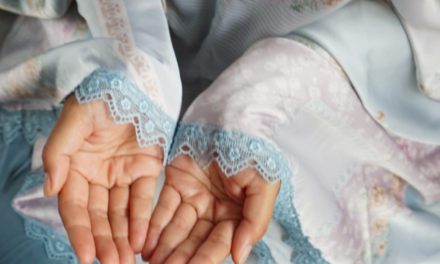
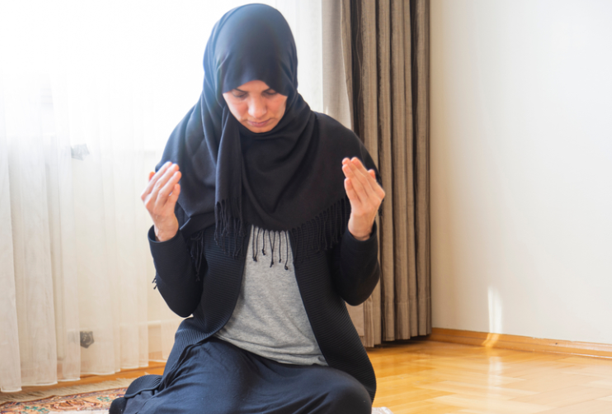
- Make Sincere Dua: Raise your hands and make a heartfelt dua to Allah, asking specifically for healing in your relationship. Mention the persons involved by name, ask Allah to remove all misunderstandings, grudges, and negative feelings, and to replace them with love, mercy, and understanding.
- Conclude with Durood Sharif: Recite Durood Sharif another 11 times to seal your dua for relationship healing Islam.
- Consistency is Key: Perform this dua daily for 40 consecutive days without missing a single day. Trust in Allah’s wisdom and timing, knowing that He is the one who controls hearts and can heal any relationship.
The Quranic Foundation for Relationship Healing
The Quran provides the ultimate guidance for healing relationships. Understanding the context and deeper meanings of key verses enhances the effectiveness of any dua for relationship healing Islam.
Surah Ar-Rum, 30:21 – The Blueprint for Healthy Relationships
Translation: “And of His signs is that He created for you from yourselves mates that you may find tranquility in them, and He placed between you affection and mercy. Indeed in that are signs for a people who give thought.”
Context and Application for Relationship Healing: This verse describes the ideal state of relationships—tranquility (sakinah), affection (mawaddah), and mercy (rahmah). When relationships are damaged, one or more of these elements is missing. This dua for relationship healing Islam seeks to restore all three. Imam Ibn Kathir explains in his tafsir that mawaddah refers to love, while rahmah refers to compassion that remains even when passionate love fluctuates. Healing requires both.
Surah Al-Anfal, 8:63 – The Divine Power to Unite Hearts
Translation: “And brought together their hearts. If you had spent all that is in the earth, you could not have brought their hearts together, but Allah brought them together. Indeed, He is Exalted in Might and Wise.”
Context and Application for Relationship Healing: This verse was revealed regarding the Ansar and Muhajireen in Medina, whose hearts Allah united after centuries of tribal warfare. If Allah can unite sworn enemies, He can certainly heal relationships between loved ones. This verse is essential for anyone performing dua for relationship healing Islam, especially when the rift seems insurmountable.
Surah Al-Imran, 3:103 – Holding Fast to the Rope of Allah Together
Translation: “And hold firmly to the rope of Allah all together and do not become divided. And remember the favor of Allah upon you – when you were enemies and He brought your hearts together and you became, by His favor, brothers.”
Context and Application for Relationship Healing: This verse emphasizes that unity comes through holding fast to Allah’s guidance. When performing dua for relationship healing Islam, this verse reminds us that the ultimate healing comes when all parties turn to Allah together.
Surah Al-Hujurat, 49:10 – The Brotherhood of Believers
Translation: “The believers are but brothers, so make settlement between your brothers. And fear Allah that you may receive mercy.”
Context and Application for Relationship Healing: This verse establishes the foundational brotherhood/sisterhood among believers and commands reconciliation. It also promises mercy for those who work toward healing. This verse can be recited as part of dua for relationship healing Islam, asking Allah to make you among those who receive His mercy through reconciliation.
Hadith References Supporting Relationship Healing
The Prophet Muhammad صلی اللہ علیہ وسلم provided numerous teachings about healing relationships, reconciliation, and maintaining bonds. These authentic hadiths strengthen our understanding and practice of dua for relationship healing Islam.
The Prophet صلی اللہ علیہ وسلم said: “Shall I not inform you of something more excellent in degree than fasting, prayer, and charity?” They said: “Yes, O Messenger of Allah.” He said: “Reconciling between people. For indeed, spoiling relations between people is the shearer (destroyer of faith).” (Sunan Abi Dawud, Sunan al-Tirmidhi)
This powerful hadith elevates reconciliation above many acts of worship. When performing dua for relationship healing Islam, remember that you are engaging in an act beloved to Allah and His Messenger.
The Prophet صلی اللہ علیہ وسلم also taught: “It is not permissible for a Muslim to shun his brother for more than three nights, such that when they meet, each turns away from the other. The best of them is the one who initiates the greeting of peace.” (Sahih al-Bukhari, Sahih Muslim)
This hadith sets a time limit on disputes and encourages initiating reconciliation. When performing dua for relationship healing Islam, also take practical steps to initiate peace, even with a small gesture.
It is narrated that the Prophet صلی اللہ علیہ وسلم said: “The believers, in their mutual love, mercy, and compassion, are like a single body; if one part of it feels pain, the rest of the body joins it in sleeplessness and fever.” (Sahih al-Bukhari, Sahih Muslim)
This beautiful hadith describes the ideal state of relationships among believers. When a relationship is damaged, the entire community feels the pain. Dua for relationship healing Islam restores this natural harmony.
The Prophet صلی اللہ علیہ وسلم said: “Charity given to the poor is charity, and charity given to a relative is two things: charity and maintaining the ties of kinship.” (Sunan al-Tirmidhi, Sunan an-Nasa’i)
This hadith highlights the special importance of family relationships. When performing dua for relationship healing Islam for family members, consider combining it with charitable acts on their behalf.
Aisha (RA) narrated that the Prophet صلی اللہ علیہ وسلم said: “The most complete believer in faith is the one with the best character, and the best of you are those who are best to their families.” (Sunan al-Tirmidhi)
This hadith connects good character with strong family relationships. Dua for relationship healing Islam should be accompanied by efforts to improve one’s own character and behavior toward others.
Understanding Relationship Healing in Islamic Perspective
Before delving deeper into dua methods, it is crucial to understand the Islamic perspective on relationship healing. In Islam, relationships are not merely social contracts but spiritual bonds with divine significance.
Imam Al-Ghazali, in his monumental work Ihya Ulum al-Din, discusses the importance of maintaining good relationships and the spiritual diseases that damage them, such as anger, envy, and pride. He emphasizes that healing requires both removing these spiritual diseases and cultivating their opposites—patience, gratitude, and love for the sake of Allah.
The love between spouses, family members, or friends in Islam is meant to be for the sake of Allah. When relationships are healed, they become a means of drawing closer to Allah together. This perspective transforms dua for relationship healing Islam from merely fixing a problem to elevating the relationship to a higher spiritual plane.
For those facing severe relationship difficulties, remember that Allah is Al-Muslih (The Restorer of Peace). He specializes in bringing hearts together and healing what seems irreparable. The story of Yusuf (AS) and his brothers is the ultimate example—after years of separation and suffering, Allah healed their relationship and brought them together in forgiveness and love.
If your relationship difficulties are within marriage, you may benefit from our specialized guide on Wazifa for Husband Love for Obedient and Caring Spouse, which addresses marital bonds specifically.
Detailed Step-by-Step Guide for Dua for Relationship Healing Islam
For maximum effectiveness, follow this comprehensive guide when performing any dua for relationship healing Islam. These steps combine the best practices from Islamic spiritual tradition with specific focus on restoring broken bonds.
Preparation Phase (Days 1-7)
- Sincere Repentance (Tawbah): Begin by sincerely repenting for any role you may have played in the relationship damage—whether words spoken in anger, neglect, pride, or any other sin. This clears spiritual blockages and purifies your intention.
- Self-Accountability (Muhasabah): Honestly assess your own contribution to the relationship problems. Write down your mistakes and commit to changing them. Healing requires both parties to grow, and you can only control your own growth.
- Charity with Specific Intention (Sadaqah): Give charity daily for one week before starting the main dua. Even a small amount creates spiritual openings. Intend specifically: “O Allah, accept this charity as a means for healing this relationship and bringing our hearts together.”
- Istikhara for Guidance: Perform Salat al-Istikhara, asking Allah to guide you to the best way to handle the relationship and to heal it if it is good for your deen and dunya.
- Fast on Selected Days: Fast on Monday and Thursday of the preparation week. Fasting purifies the soul and makes duas more acceptable. On these days, make special dua for the relationship.
- Forgive Yourself and Others: Work on forgiving any wrongs done to you, even if the other person hasn’t apologized. Forgiveness in your heart creates space for Allah’s healing to work.
- Make Initial Small Gestures: If possible and appropriate, make small gestures of goodwill—a smile, a greeting, a small gift. These practical steps complement the spiritual work.
Execution Phase (Days 8-47 – Complete 40 Days)
- Maintain Constant Wudu: Always be in a state of ablution when reciting. If possible, perform fresh wudu before each recitation session even if you are already in that state.
- Consistent Timing: Perform the dua at the same time each day, preferably during tahajjud time (last third of night) when duas are most readily accepted and you have complete privacy.
- Ideal Recitation Setup:
- Sit on a clean prayer mat facing the Qibla
- Wear clean clothing
- Use miswak (tooth stick) before beginning
- Apply light, non-alcoholic perfume
- Have a copy of the Quran open to relevant verses
- Recitation Order for Each Daily Session:
- Recite “A’udhu billahi minash shaytanir rajeem” (I seek refuge with Allah from the accursed devil) – 3 times
- Recite “Bismillahir Rahmanir Rahim” – 1 time
- Recite Durood Sharif (preferably Durood Ibrahim) – 11 times
- Recite the main dua components:
- Ya Wadoodo – 500 times (for restoring love)
- Ya Jami’u – 313 times (for reuniting hearts)
- Surah Ar-Rum 30:21 – 21 times (verse of love and mercy)
- Surah Al-Anfal 8:63 – 11 times (verse of uniting hearts)
- Ayatul Kursi – 7 times (for protection from shaytanic interference)
- Recite additional specific verses based on your situation:
- If healing with parents: Surah Al-Isra 17:24 – 11 times
- If healing with spouse: Surah Ar-Rum 30:21 – additional 11 times
- If healing with family: Surah Muhammad 47:22-23 – 3 times
- If there is severe conflict: Surah Al-Hujurat 49:10 – 11 times
- Raise hands for sincere dua – mention all persons involved by name, ask Allah specifically to:
- Remove all misunderstandings and negative feelings
- Soften all hearts involved
- Replace pride with humility, anger with patience, distance with love
- Create opportunities for reconciliation
- Make the relationship stronger than before
- Conclude with Durood Sharif – 11 times
- Emotional and Spiritual State During Recitation:
- Recite with humility, acknowledging that only Allah can change hearts
- Visualize the relationship healed—see yourselves speaking kindly, laughing together, supporting each other
- Feel gratitude in advance for the healing you are seeking
- Cry or show emotion if possible—the Prophet صلی اللہ علیہ وسلم said dua made with presence of heart is more likely accepted
- Maintain absolute certainty that Allah can heal any relationship, no matter how damaged it appears
- Avoid Actions That Worsen Relationships During the 40 Days:
- Avoid speaking ill of the person to others
- Avoid backbiting or gossiping about the situation
- Avoid any form of revenge or retaliation
- Guard your tongue from saying hurtful things, even in frustration
- If you must interact, be extra careful with your words and tone
- Any negative behavior during this period can block the acceptance of your dua for relationship healing Islam
- Increase Positive Actions:
- Make dua for the person privately, even if they don’t know
- Speak well of them to others when appropriate
- If possible, make small gestures of goodwill
- Pray for them in your sujood (prostration)
- Give charity on their behalf
- These actions create a positive spiritual environment for healing
- Special Friday Practices:
- On Fridays, increase all recitations to double the daily amount
- Recite Surah Al-Kahf on Fridays
- Increase Durood Sharif on Fridays
- Make dua during the last hour of Friday (after Asr until Maghrib)
- On Friday nights, specifically ask for hearts to be united
Integration Phase (After 40 Days)
- Continue Light Recitation: Maintain a smaller daily practice of reciting Ya Wadoodo 100 times and Ya Jami 100 times to keep the spiritual connection strong and protect the healing progress.
- Express Continuous Gratitude: Thank Allah profusely for every sign of healing, no matter how small. A slightly softened heart, a brief kind exchange, a reduction in anger—all are signs of progress. Prostrate in gratitude (sajdah shukr) when you notice positive changes.
- Seize Opportunities for Reconciliation: If the dua creates opportunities for healing—a chance meeting, an opening for conversation, a mutual friend offering to help—take them immediately. Do not let pride or hesitation block the opportunities Allah provides.
- Be Patient with Gradual Healing: Deep relationship wounds may heal slowly. Continue with trust in Allah’s timing. Sometimes healing comes in stages—first reducing hostility, then creating neutral interactions, then building positive connections.
- Repeat if Necessary: It is permissible to repeat the 40-day cycle after a break, especially for deep or long-standing relationship issues. Some relationships require sustained spiritual effort.
- Maintain Good Character: Continue the positive habits you developed during the 40 days—patience, forgiveness, speaking well of others. These sustain the healing that the dua helped initiate.
- Be the Initiator of Peace: Follow the hadith that says the best is the one who initiates the greeting of peace. If appropriate, be the one to reach out first, even with something small.
Specialized Dua for Relationship Healing in Specific Situations
Different relationship challenges may require slightly different approaches while maintaining the foundation of seeking Allah’s help. Here are specialized methods for common situations requiring dua for relationship healing Islam.
For Healing Between Husband and Wife
Combination Dua for Marital Healing:
- After Isha prayer, recite Durood Sharif 11 times
- Recite “Ya Wadoodo” 500 times
- Recite “Ya Jami’u” 313 times
- Recite Surah Ar-Rum 30:21 41 times
- Recite Surah Al-Furqan 25:74 11 times (dua for spouse as comfort)
- Recite Ayatul Kursi 7 times for protection
- Make specific dua: “O Allah, You created between us love and mercy. Restore what has been damaged, heal what has been broken, and reunite our hearts in the best way. Remove from our marriage all influence of shaytan, all misunderstandings, and all negative feelings. Replace them with increased love, understanding, and compassion.”
- Conclude with Durood Sharif 11 times
- During the 40 days, make special effort to be kind, patient, and understanding with your spouse
For Healing Between Parents and Children
Dua for Parent-Child Relationship Healing:
- After Fajr prayer, recite Durood Sharif 11 times
- Recite “Ya Wadoodo” 300 times
- Recite “Ya Raheem” (The Merciful) 100 times
- Recite Surah Al-Isra 17:23-24 21 times (verses about parents)
- Recite Surah Maryam 19:1-15 (the story of Yahya AS and his parents) 3 times
- Recite “Rabbi irhamhuma kama rabbayani sagheera” (My Lord, have mercy on them as they raised me when I was small) 41 times
- Make specific dua mentioning the parent or child by name, asking Allah to soften hearts and restore the natural love and respect between you
- Conclude with Durood Sharif 11 times
- If you are the child, increase acts of kindness and service toward your parents during this period
- If you are the parent, increase patience and understanding toward your child
For Healing Between Siblings or Extended Family
Dua for Family Reconciliation:
- After Maghrib prayer, recite Durood Sharif 11 times
- Recite “Ya Jami’u” 500 times
- Recite “Ya Wadoodo” 300 times
- Recite Surah Al-Anfal 8:63 21 times
- Recite Surah Al-Hujurat 49:10 11 times
- Recite Surah Al-Imran 3:103 3 times
- Make specific dua mentioning the family members by name, asking Allah to reunite your hearts, remove all grudges and misunderstandings, and restore the bonds of kinship
- Conclude with Durood Sharif 11 times
- If possible, organize a small family gathering or meal with good intention, or send gifts/greetings to initiate positive interaction
For Healing Between Friends
Dua for Friendship Healing:
- During tahajjud prayer, make special dua for your friend
- Recite “Ya Wadoodo” 300 times
- Recite “Ya Jami’u” 313 times
- Recite Surah Al-Anfal 8:63 11 times
- Recite “Rabbana hab lana min azwajina wa dhurriyyatina qurrata a’yun” (part of Surah Al-Furqan 25:74) 11 times, asking for your friendship to be a source of comfort
- Make specific dua mentioning your friend by name, asking Allah to heal any rift between you and restore your friendship in the best way
- Reach out with a simple greeting or message when appropriate, as the Prophet صلی اللہ علیہ وسلم encouraged initiating peace
For Healing When There Is Severe Conflict or Enmity
Powerful Dua for Severe Relationship Healing:
- Perform tahajjud prayer (late night prayer) with special focus
- After prayer, recite Durood Sharif 11 times
- Recite Ayatul Kursi 313 times—for powerful protection and intervention
- Recite “Ya Qahhar” (The Subduer) 100 times—to subdue the forces causing conflict
- Recite “Ya Jami’u” 500 times
- Recite “Ya Wadoodo” 500 times
- Recite Surah Al-Anfal 8:63 41 times
- Recite Surah Al-Hashr 59:21-24 (the last verses of Surah Hashr) 7 times
- Make prolonged dua in sujood (prostration), asking Allah to intervene directly, to remove the causes of conflict, to soften the hardest of hearts, and to bring about reconciliation even when it seems impossible
- Continue this for 40 days with complete trust in Allah’s power over all hearts
50 Unique Benefits of Performing Dua for Relationship Healing Islam
Regular recitation of the names of Allah and Quranic verses for relationship healing brings benefits that extend far beyond the immediate goal of reconciliation. These benefits transform the individuals involved spiritually, emotionally, and socially.
Important Conditions for Acceptance of Dua for Relationship Healing Islam
For any dua for relationship healing Islam to be accepted, certain conditions must be met with sincerity. These conditions ensure that the spiritual practice remains within Islamic boundaries and maximizes effectiveness.
- Sincere Intention for Allah’s Pleasure: The healing you seek must be for Allah’s pleasure, not merely for worldly comfort. Your intention should be to restore a relationship that pleases Allah and brings you both closer to Him.
- Willingness to Forgive: You must be willing to forgive the other person, even if they haven’t apologized. Holding onto grudges blocks duas. Ask Allah to help you forgive genuinely.
- Self-Accountability: Acknowledge your own role in the relationship damage. Be honest about your faults and commit to changing them. Duas for healing must include personal growth.
- Purity of Earnings (Halal Rizq): Ensure your income and food are halal. Haram earnings block duas from being accepted. This includes ensuring any gifts or reconciliation efforts come from halal sources.
- Complete Avoidance of Shirk: Avoid any amulets, fortune-tellers, or practices that involve shirk. Authentic dua for relationship healing Islam relies solely on Allah’s words and names.
- Patience and Tawakkul (Trust): Have complete trust in Allah’s plan. Sometimes healing takes time, and sometimes what we want to heal may not be best for us. Trust that Allah knows what is ultimately good for your deen and dunya.
- Consistency Without Desperation: Perform the dua consistently but without desperate attachment to immediate results. Desperation indicates weak trust in Allah. Be consistent like a farmer who plants seeds and waters them, then trusts Allah for the harvest.
- Maintain Good Character Throughout: Even while waiting for healing, maintain good character toward the person. Speak well of them, avoid backbiting, and treat them with respect if you must interact.
- Istikhara Integration: Combine relationship healing dua with Salat al-Istikhara to ensure you are asking for what is truly khair. Sometimes relationships don’t heal because they shouldn’t, and Istikhara protects you from that.
- Fulfillment of Islamic Obligations: Ensure you are praying five times daily, paying zakat if applicable, fasting, and fulfilling all other Islamic obligations. Neglecting fardh (obligatory) acts while performing nafl (voluntary) duas is spiritually inconsistent.
Combining Dua for Relationship Healing with Practical Islamic Efforts
Islam teaches perfect balance between spiritual reliance (tawakkul) and practical effort (kasb). While performing dua for relationship healing Islam with full devotion, also take these practical steps that align with Shariah:
- Initiate Greetings of Peace: Follow the hadith that the best is the one who initiates salaam. If appropriate, be the first to reach out with a simple greeting.
- Send Gifts: The Prophet صلی اللہ علیہ وسلم said giving gifts increases love. A small, halal gift can soften hearts and open doors for communication.
- Use a Mediator: If direct communication is difficult, involve a trusted, pious third party who can facilitate reconciliation without taking sides.
- Choose the Right Time: Approach reconciliation at appropriate times—not during heightened emotions, not in public settings that might cause embarrassment.
- Speak Kindly: When you do communicate, choose words carefully. The Quran instructs speaking kindly even to those who are harsh with us.
- Avoid Conditions: Don’t attach conditions to reconciliation (“I’ll forgive if they apologize first”). Be open to healing even if the other person isn’t perfect.
- Make Dua for Them Privately: One of the most powerful ways to soften your own heart toward someone is to make dua for them in their absence.
- Give Charity on Their Behalf: Give charity with the intention of benefiting them spiritually and opening the doors of reconciliation.
- Visit If Possible and Appropriate: A personal visit, when halal and appropriate, can be more powerful than any message.
- Be Patient With Their Process: The other person may need time to heal. Don’t rush them or pressure them. Let the healing happen naturally with your duas supporting it.